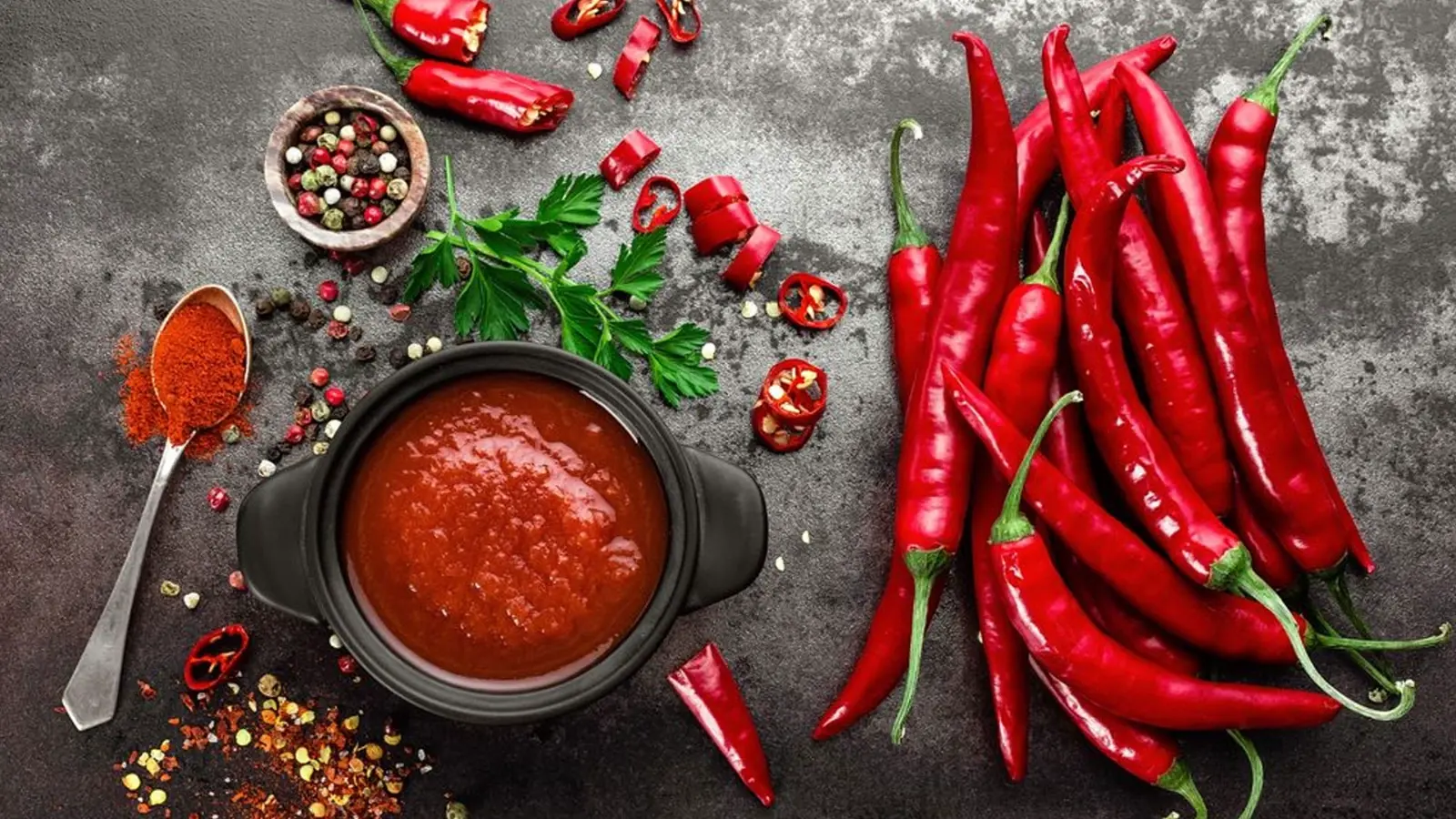
A staple in traditional cuisine, red pepper paste is gaining recognition not only for its intense flavor but also for its scientifically supported health benefits. Recent studies indicate that regular consumption of the paste may favorably impact cholesterol levels and deliver protective antioxidant effects.
Cholesterol-Lowering Potential
Meta-analysis evidence: A systematic review and meta-analysis published in Clinical Nutrition Research found that supplementation with fermented red pepper paste (FRPP) significantly reduced total cholesterol (TC) levels, suggesting that pepper-based supplements may help improve lipid profiles.
The effect was particularly notable in interventions shorter than 12 weeks and in participants over 40 years old.
Antioxidant and Carotenoid Content
Green extraction study: Research in the Akademik Gıda journal shows that carotenoids such as β-carotene and capsaicin, along with phenolic compounds, can be efficiently extracted from pepper paste waste using ultrasound-assisted extraction. These extracts demonstrated strong antioxidant activity.
β‑Carotene acts as a precursor to vitamin A and plays a critical role in neutralizing free radicals.
Vitamin Content and Immune Support
Red pepper paste is rich in vitamins A, C, and E, all of which support immune function, cellular health, and protection against oxidative stress.
Especially its high vitamin C content makes it a natural ally for immune resilience.
Usage and Consumption Advice
Experts advise moderate consumption of pepper paste, as it may contain high amounts of salt. Choosing additive-free, natural pepper paste can enhance the health benefits. Consumed as part of a balanced diet, it can contribute both flavor and nutritional value.